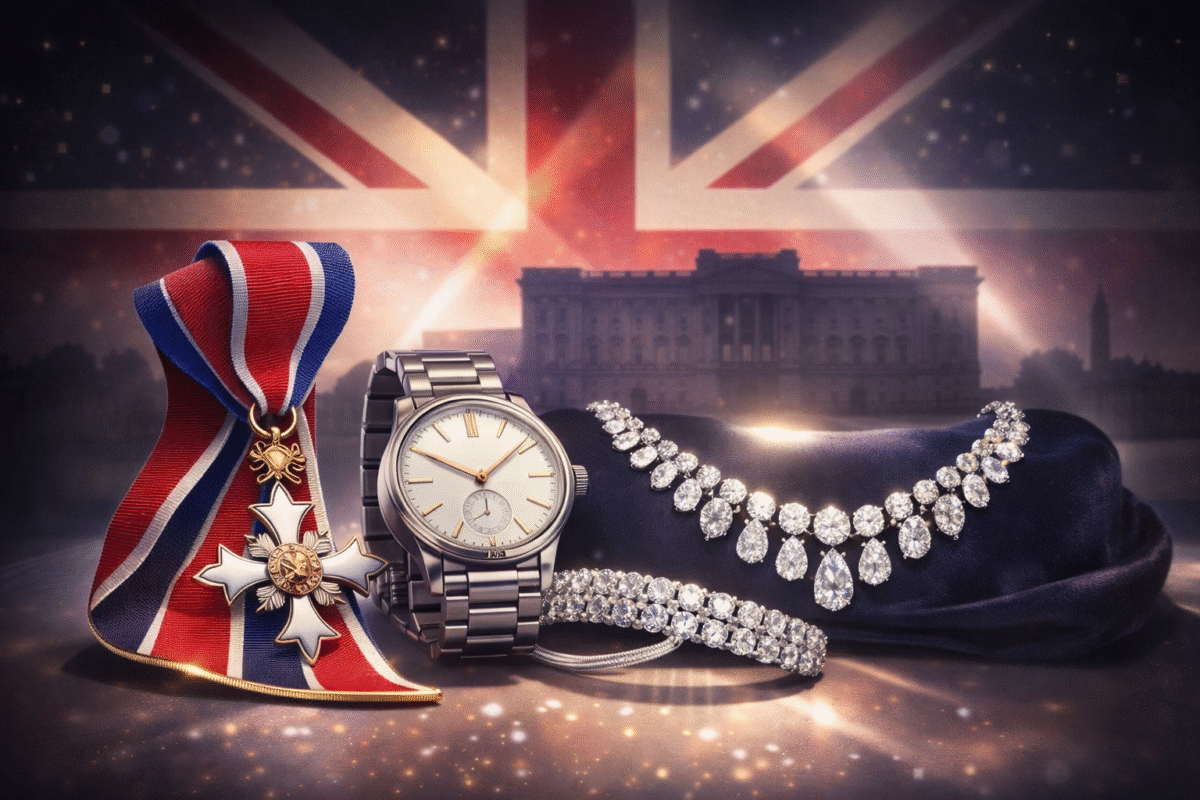

What is it with our governments’ attitude to retail? Why is it not being properly recognised in this year’s New Year Honours? Were we not once described as a nation of shopkeepers?
Business rate relief for retailers has been tapered back from the generous (perhaps overly generous) 100% during the covid years to 40% in this financial year and will be replaced altogether in April 2026 at the same time as a revaluation of properties, which is certain to lead to a steep rise in the tax for the most successful jewellers.
The abolition of VAT rebates for visitors from overseas, also known as the Tourist Tax, was brought in as part of Boris Johnson’s Brexit deal with the EU, and there is no prospect that this damaging decision will be reversed by the current government.
Hikes to employer National Insurance, higher minimum wages that disproportionately hit retailers, and an upcoming Workers Rights Bill that will make it harder to hire bright new people are all piling pressure on the nations jewellers.
Inheritance tax laws have been changed that will lead to crippling bills when a family jeweller — arguably one of the most successful business models in the history of retail — is passed down from one generation to the next.
In spite of these potentially ruinous policies, British jewellers and watch businesses have survived and thrived.
A study by global market research giant IBISWorld, values the UK watch and jewellery industry at £8.1 billion.
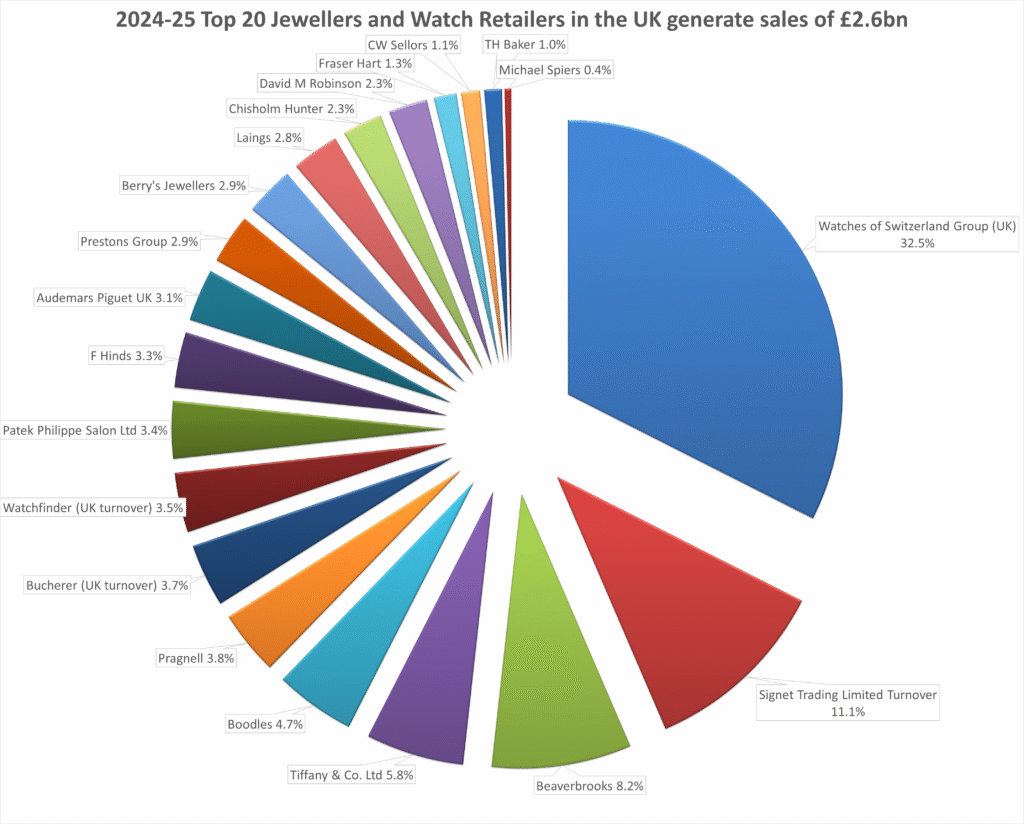
WatchPro’s analysis of the top 20 jewellers and watch retailers in the UK finds them generating sales of £2.64 billion in the 2024-25 financial year.
None of them are based in off-shore tax havens. They pay millions in corporation tax, income tax, national insurance and VAT and employ tens of thousands of people in this country.
Most of these companies are also active philanthropists, making annual donations to myriad charities and encouraging their employees to take part in their own fundraising activities.
Despite all of the above, not a single executive from the jewellery or watch industry has been recognised with a gong in the 2026 New Year Honours List.
The closest we got was jewellery designer Solange Azagury-Partridge, who was given a CBE. I cannot tell you how much her business contributes to the UK economy because it is too small to be required to publish full annual accounts.
There have been a handful of well-deserving recipients of honours since the start of this century: brothers Stuart and Michael Laing OBE (2001), Mark Adlestone OBE (2015), Peter Lunn OBE (2016), Nicholas Wainwright MBE (2018) and Roger Smith OBE (2018).
Just six people in the past quarter of a century.
I am not suggesting honours should be handed out for simply doing a decent job and building a successful company, but the 20 retail businesses noted above, and some of the brands that supply them are truly exceptional.
Which is why I am starting a campaign to have some of the executives and owners leading these companies to be given honours in the future.
My first nominations are:
Brian Duffy
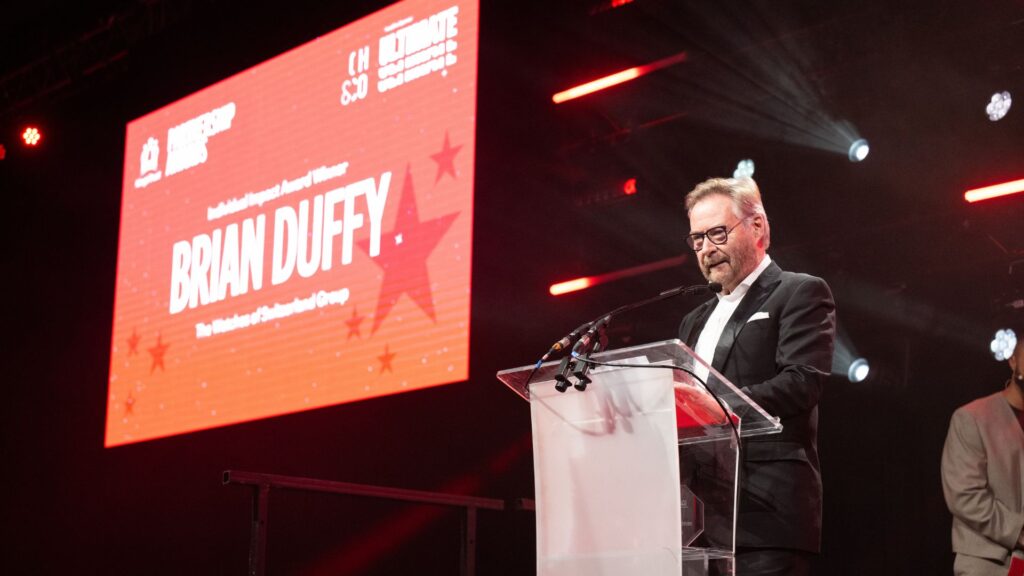
This is the most egregious oversight. Mr Duffy became CEO of Aurum Holdings, which was later renamed Watches of Switzerland Group, in 2014 when the company was generating sales of £375 million from its UK businesses Goldsmiths and Mappin & Webb.
Over a decade under his leadership, sales have risen to £1.65 billion. Almost half of that turnover comes from the United States, making WoSG one of the great British export stories. It is hard to think of many other British retailers that have successfully crossed the pond.
It runs almost 200 stores on both sides of the Atlantic, employs over 3,000 people and is currently valued on the London Stock Market at £1.1 billion.
If charity work is a prerequisite for a gong, Mr Duffy has that box checked as well. He was recognised just months ago by The King’s Trust (formerly Prince’s Trust) for WoSG’s work in changing the lives of young people.
The Group has established its own Foundation, which takes a typically Duffy-esque structured approach to giving. Since 2021, it has raised and donated £8.5 million to good causes and is instrumental at fostering an altruistic atmosphere within the business.
“When our people get involved, whether through fundraising, volunteering or advocacy – the impact multiplies. We encourage participation by supporting colleague-led initiatives, matching fundraising, and creating opportunities that are meaningful and accessible. The sense of shared purpose is incredibly powerful and reinforces our culture as a responsible business,” Mr Duffy describes in an interview with WatchPro this month.
Scandalously, despite Goldsmiths being jeweller to the royal family and responsible for maintaining the Crown Jewels, its 71-year-old CEO has never been recognised by the honours committee.
Harry Brown
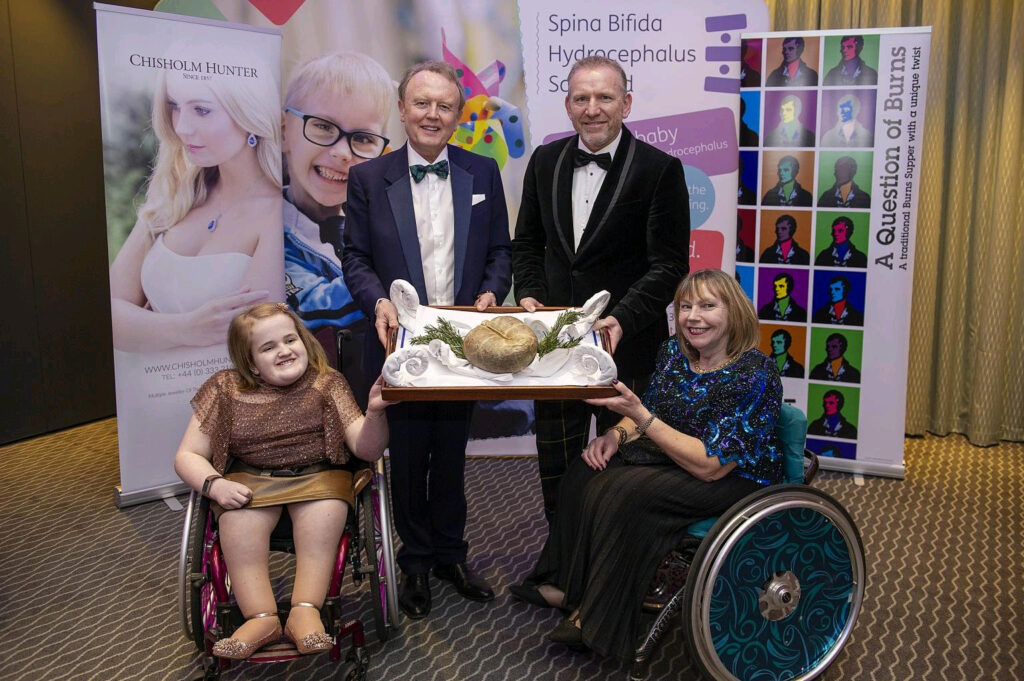
Harry Brown, 68, is the unassuming CEO of Chisholm Hunter, the Glasgow-based jewellery and watch retailer originally founded in 1857 and revived under his ownership since 1993.
In 2011, the family business was generating sales of just £16 million, but this has quadrupled to £62 million in the latest financial year through a nationwide network of 27 stores.
Working with his wife, Tracey, and son Max, the multi-generational operation has maintained the intimacy of a family business despite its scale and keeps artisanal skills in watchmaking, gemmology and goldsmithing alive through its workshops.
As Chisholm Hunter has grown, it has supported an expanding list of charities, which now includes Action For Children, McMillan Breast Cancer, Children’s First, Enable Scotland, Friends of Chernobyl, Spina Bifida Association and Spinal Injuries Scotland.
Richard De Leyser
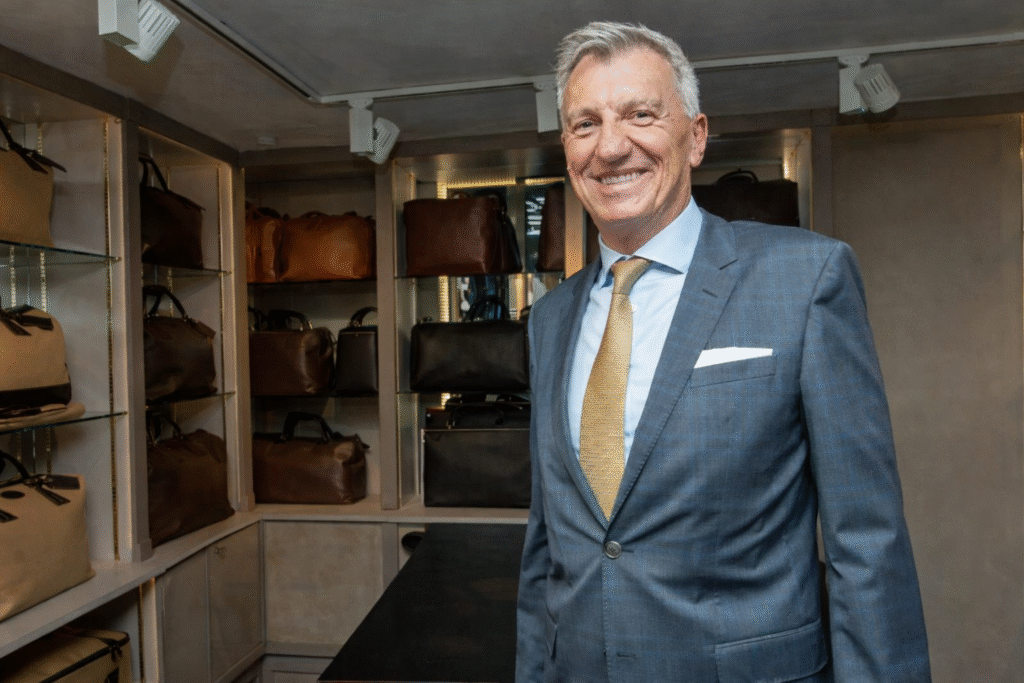
Rolex does not like its executives to spend time in the limelight. It wants its watches, corporate endeavours and altruism of the Hans Wilsdorf Foundation to be the story.
But Richard De Leyser, 63, deserves to be recognised not only for his contribution to the British watch and jewellery industry, but for the way his strategy in the UK has benefited the entire global Rolex business.
He became a director of Rolex Watch Company, the brand’s UK operation, in 2011, and set about cleaning-up a fragmented and somewhat chaotic network of authorised dealers.
Random collections of Rolex watches were displayed in a hotchpotch of cabinets by retailers with variable expertise in selling and servicing them. There was very little that was special about the experience of buying one; there was discounting and product leaking onto the grey market.
Mr De Leyser set about changing all of that by rationalising the network of authorised dealers down to the very best that represent The Crown today.
Each of these partners has invested millions of pounds in upgrading the way Rolex watches are sold and serviced; competing to open bigger and better points of sale that are staffed with passionate experts.
Most recently, the UK has taken a lead in the Rolex Certified Pre-Owned Programme, which is setting a new standard for the way second hand watches are bought, authenticated, serviced, restored and resold.
At first centralising the technical aspects of this programme at Rolex’s Kings Hill UK service centre, the business has now pushed much of the work out to authorised dealers that have invested in well-equipped accredited service centres run by highly qualified watchmakers.
All of this has transformed the UK and provided a template for the way Rolex is sold across the world.
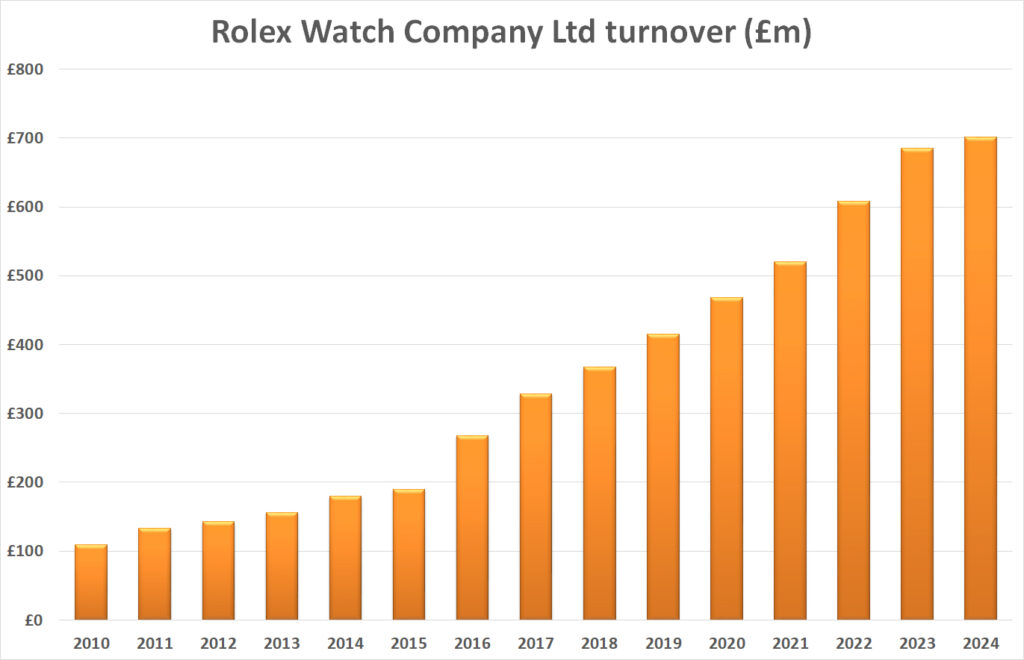
Rolex generated sales of £143 million in Mr De Leyser’s first year at the helm. In 2024 this had risen to £702 million. That is the sort of business success for which honours ought to be bestowed.
Mike France

Despite Rolex being founded in the UK in the early 20th century, the British watch business has been little more than a bit-part player since the end of World War II.
Two businesses set out to change that in the early 2000s: Bremont and Christopher Ward. Neither set the world alight in their first 20 years and Bremont recently required rescuing by an American hedge fund billionaire.
The two companies took different approaches to building their businesses. Bremont invested millions of pounds in manufacturing its own watches in the UK.
Christopher Ward, launched by Mike France, 69, Chris Ward and Peter Ellis, believed British manufacturing would never become economically viable, and instead bought a factory in Bien that assembled its timepieces from components made in Switzerland or elsewhere in the world.
Christopher Ward also revolutionised its sales model, cutting out middlemen and selling entirely online directly to consumers, which meant its watches were and are considerably cheaper than comparable pieces from Swiss manufacturers selling via their own physical stores or through authorised dealers.
This led to moderate but relentless growth since Christopher Ward’s creation in 2004. Ten years in, the company was generating sales of £8 million per year, by 2022 this had risen to just £14 million and nobody was paying it much attention.
That changed in 2023 when its C1 Bel Canto, a complicated chiming watch selling for the seemingly impossible price of £2,995, won a GPHG award. Sales took off, rising to £50 million last year.
Remarkably, this is not Mr France’s first success worthy of an honour. In 2001, he took over as chief executive of Early Learning Centre, a British educational toy retailer. The company, owned by Mothercare, was considered a basket case when he took over, but was sold just three years later for £62 million in 2004.
Mr France’s Christopher Ward has been philanthropic from the beginning.
Its 2% for Good Programme donates 2% of total sales to causes including the Blue Marine Foundation, which supports marine conservation; David Shepherd Wildlife Foundation, which protects endangered species; Everton in the Community, a charity linked to Mr France’s beloved Everton Football Club that helps dementia carers; and Mindflow, also linked to Everton, which promotes mental health and suicide prevention.
If this were not enough for a gong, Mr France is also the driving force behind the Alliance of British Watch and Clockmakers, an association that promotes the efforts of over 70 British-based watch business that collectively generate around £200 million in revenue.